Indian wedding catering has moved well beyond a single long buffet line. These are the shifts that hosts and caterers are talking about, and what each means in practice. They are observations about the industry in general, not predictions or statistics.
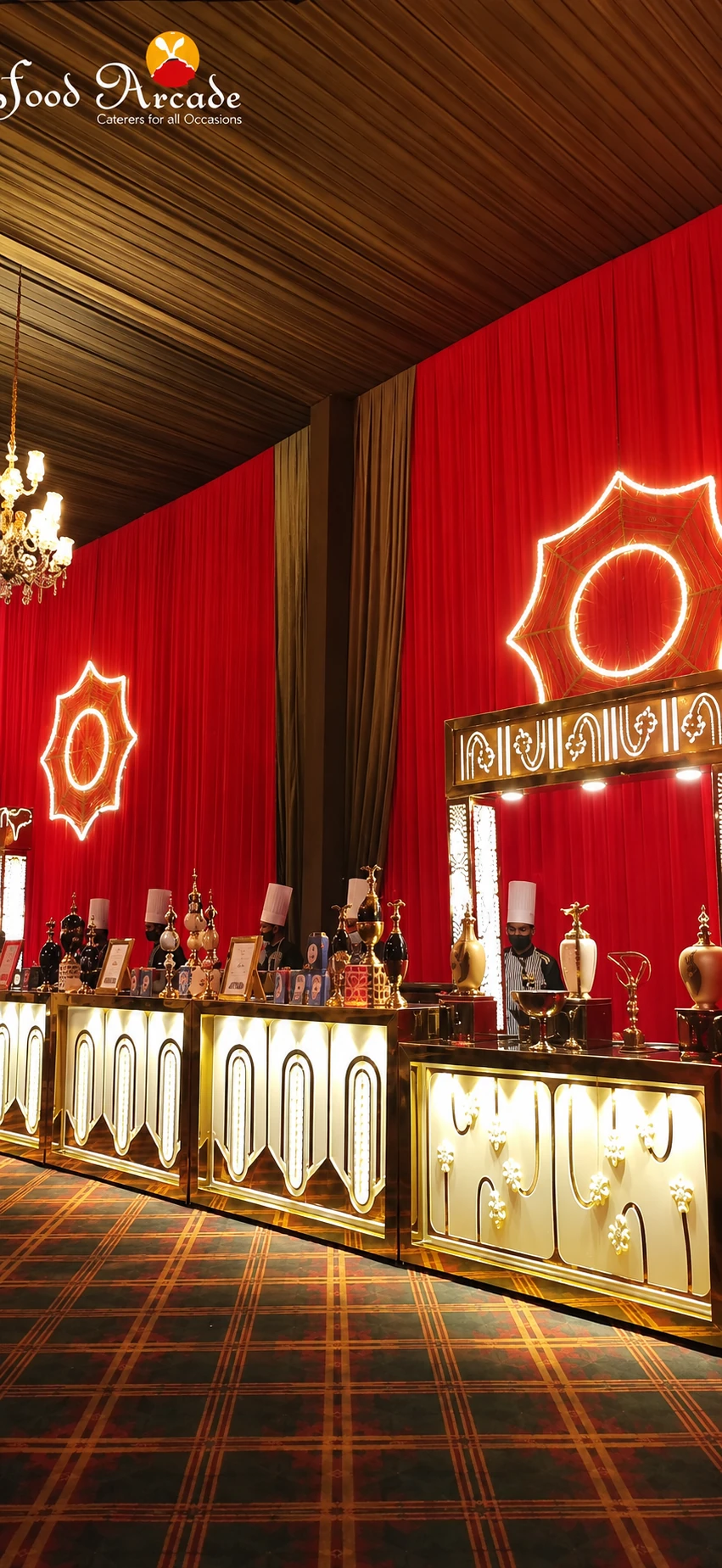
Live counters as the centre of the evening
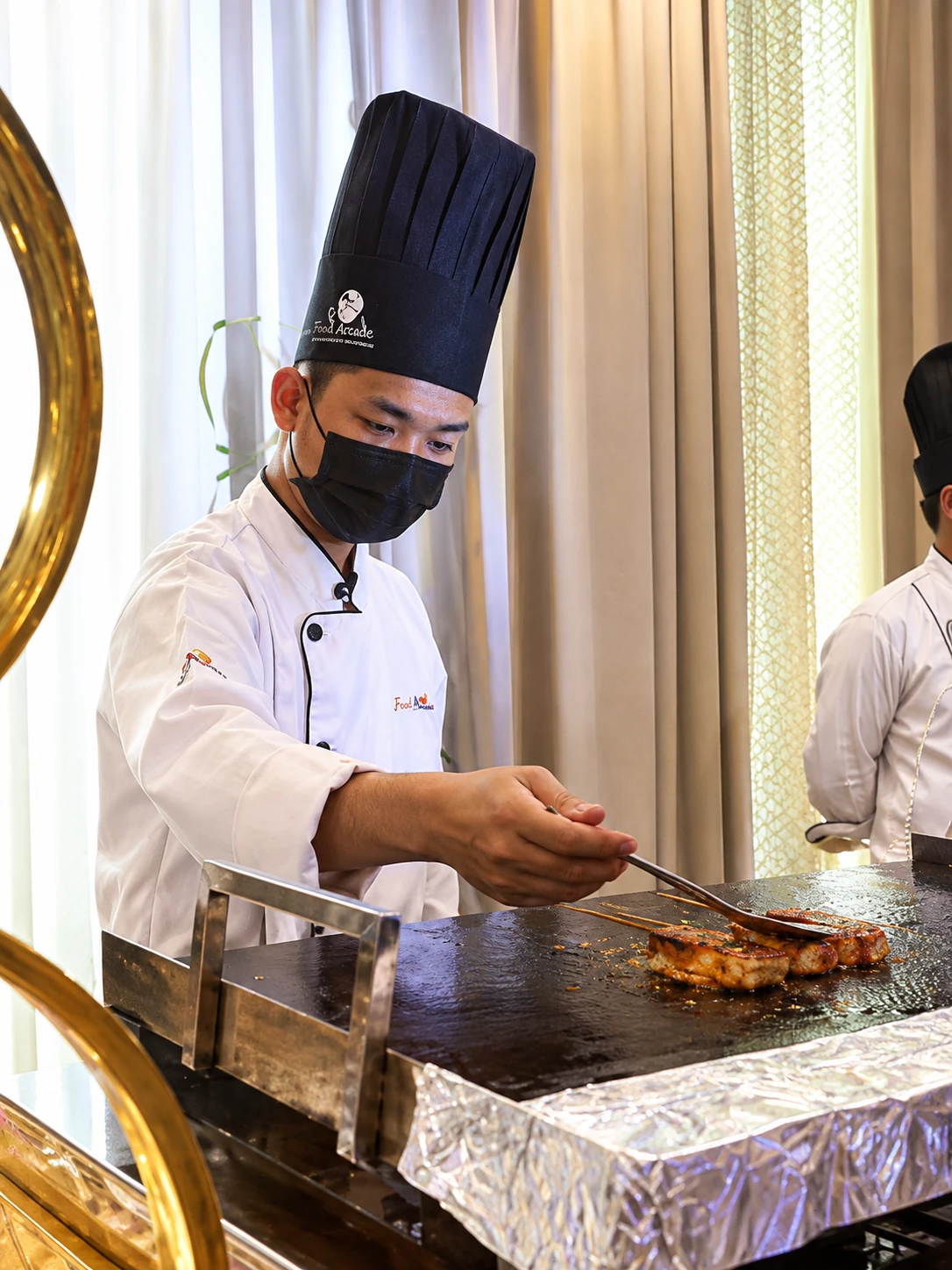
Counters where chefs cook in front of guests have become a familiar part of the wedding evening. Guests enjoy watching a dish come together, and food comes to the plate at its best. They also give guests a reason to gather and talk. The practical point for hosts: live counters work best when they are chosen to suit the menu and placed so that crowds do not block one another.
Presentation as part of the decor
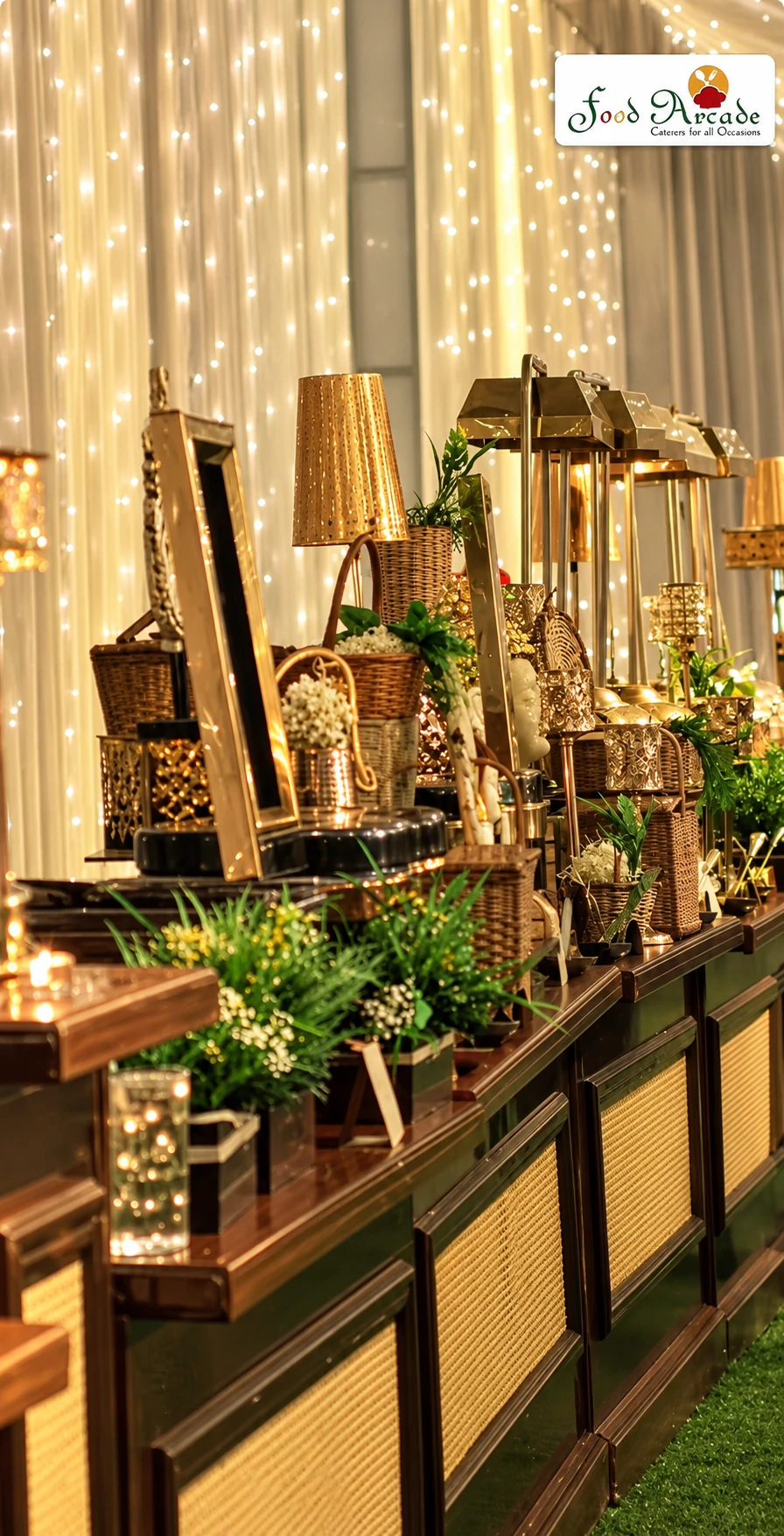
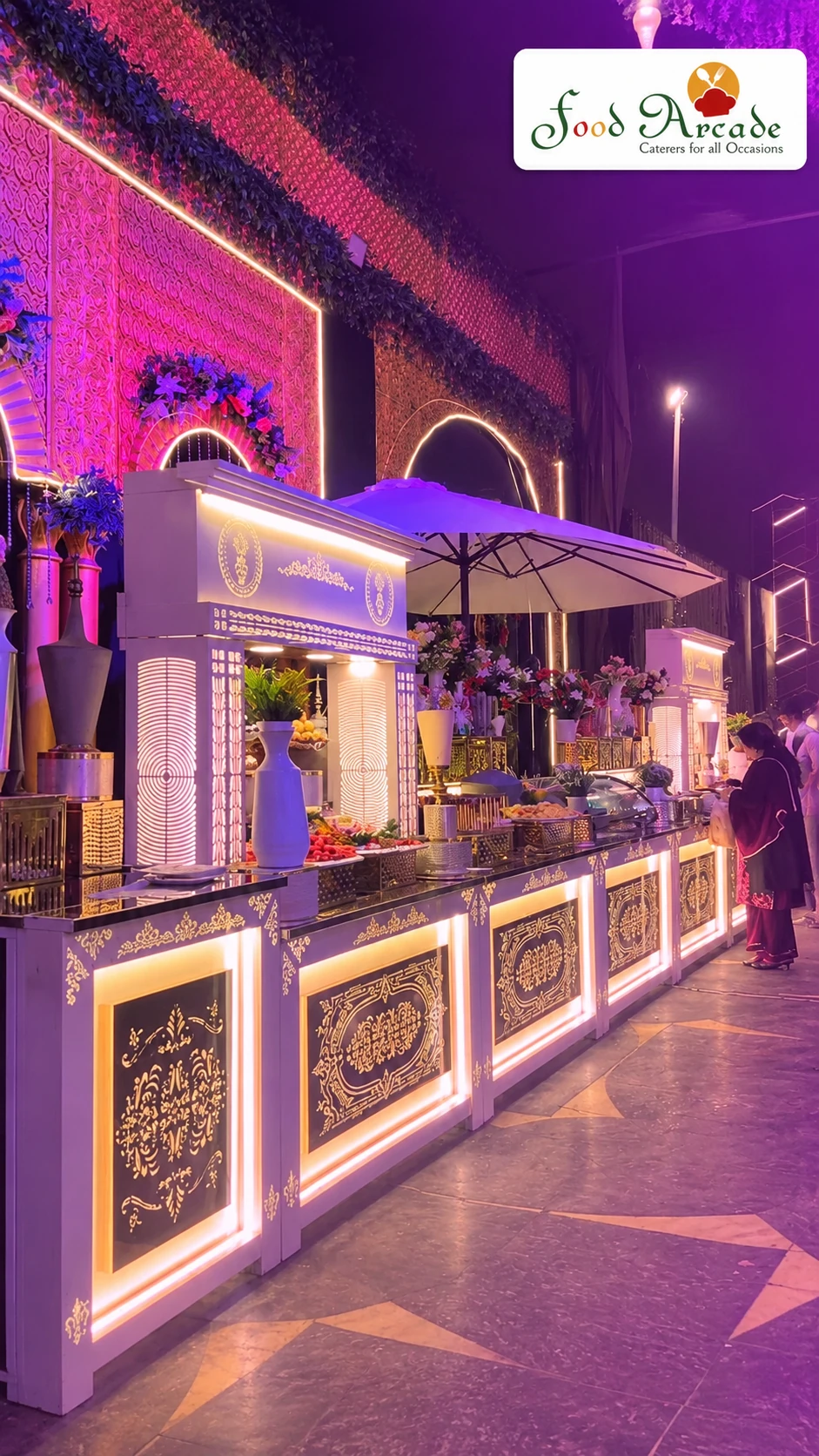
Buffets are increasingly designed as part of the event's look: lighting, serveware, florals and counter fronts chosen to match the setting. For hosts, this means the caterer and the decorator need to talk early. A buffet that is planned together with the decor looks deliberate rather than added on.
Menus built around the family, not a template
Many hosts now ask for menus that reflect their own families: regional dishes alongside popular favourites, or a distinctive mix for each function. A good caterer will start by asking about your guests and the occasion, then suggest a menu, rather than handing over the same list every time.
Beverage bars and mocktails
Beverage service is receiving more attention, from welcome drinks to dedicated bars with mocktails and garnished glasses. A well-designed beverage counter also relieves pressure on the main buffet by giving guests something to enjoy while they wait.
More functions, more variety
Weddings are often a series of smaller events across several days, and each is expected to feel different. That favours caterers who can vary the format, for example a relaxed food-street style evening followed by a formal dinner.
Inclusive menus
Hosts are paying closer attention to vegetarian, Jain and allergy-aware options, and to making sure these guests have a full, satisfying meal rather than a side selection. Tell your caterer about these needs at the start so the whole menu can be planned around them.
Sensible quantities and less waste
Quantities are being planned more carefully against real guest numbers, with fresh replenishment through the evening rather than everything laid out at once. It is better for the food and better for the budget.